Self-Healing Neural Networks Recover From Catastrophic Damage
Breakthrough research demonstrates AI systems that automatically repair themselves when portions of the network are damaged or corrupted, mimicking biological brain resilience.

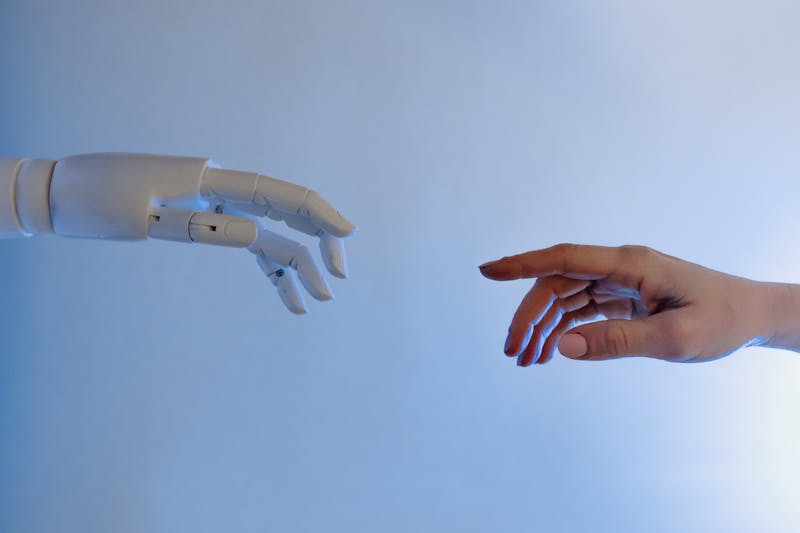
Biological Inspiration
Drawing from neuroscience, the architecture allows neural pathways to reorganise and compensate for damaged nodes, maintaining usable performance even after losing 40% of network capacity. The analogy to stroke recovery in biological brains is not just rhetorical — the mathematical structure is visibly similar.
Earlier attempts at robust networks focused on redundancy. This one focuses on adaptive rerouting, which scales more gracefully.
Where Robustness Matters Most
Safety-critical applications — autonomous vehicles, medical devices, aerospace systems — are the immediate beneficiaries. A model that degrades gracefully instead of failing hard is the kind of property regulators and insurers actively reward.
Consumer applications benefit too, though the gains are less visible: fewer silent failures, more predictable behaviour under adverse conditions.
Open Questions
It is still unclear how the repair dynamics behave under adversarial conditions versus random failure, and whether the approach generalises to very large models without losing its efficiency.
The research is promising but young. The next wave of papers should clarify how far the idea travels outside the conditions it was first demonstrated in.