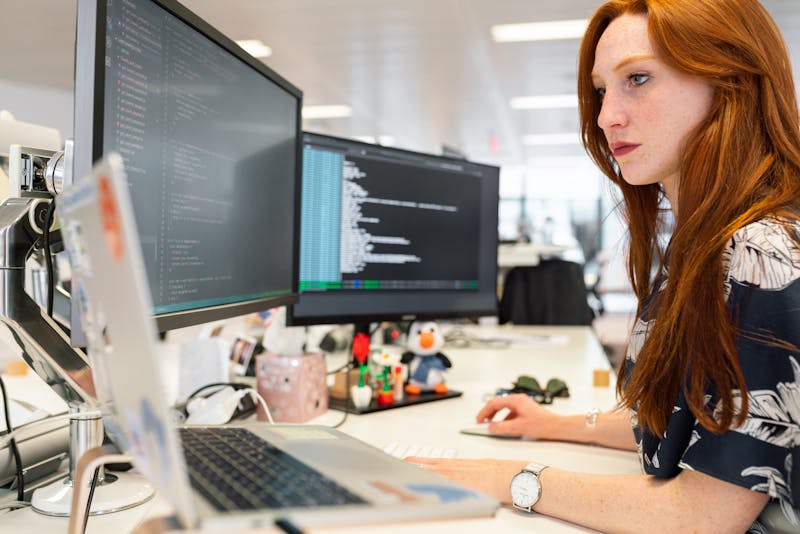
Midjourney V7: Photorealism Reaches New Heights
The latest version of the popular AI image generator produces outputs virtually indistinguishable from professional photography, raising both opportunities and concerns.

Technical Leap Forward
V7's improved understanding of lighting, materials, and human anatomy eliminates most of the telltale AI artefacts that earlier versions shipped with. The outputs fool trained observers in side-by-side tests; journalists and forensic photo analysts have had to update their internal checklists.
The model is especially strong on portraiture, product photography, and architectural interiors — the kinds of scenes with internal physical logic that V6 sometimes broke.
Use Cases and Misuse Cases
Legitimate uses expand quickly: mood boards, storyboards, early-stage product renders, fashion reference imagery. Misuse cases expand just as quickly: fabricated news imagery, impersonation, and convincing fake evidence in disputes.
The tool itself is neutral; the systems around it are not keeping up at the same rate.
The Verification Problem
Image provenance standards such as C2PA exist, but they are not yet ubiquitous enough to rely on. Newsrooms, courts, and insurance adjusters are all rethinking what "photographic evidence" means.
The answers will be institutional, not purely technical, and they will take time to settle. In the meantime, healthy skepticism is a reasonable default.